
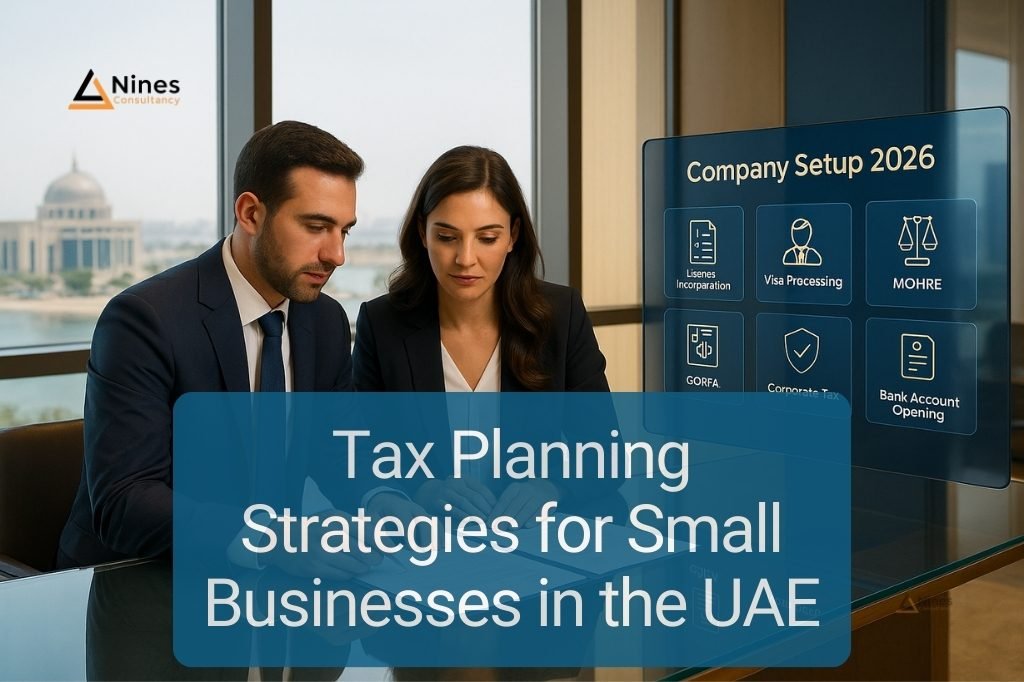
Why Tax Planning Matters More Than Ever for UAE Small Businesses
Tax planning has become one of the most important responsibilities for small businesses operating in the United Arab Emirates. With the introduction of corporate tax, evolving VAT requirements, and increased digital enforcement by the Federal Tax Authority (FTA), business owners in 2026 can no longer rely on informal processes or assumptions.
The UAE still remains one of the world’s most business-friendly environments. Its low-tax structure, competitive regulatory framework and strong digital infrastructure attract entrepreneurs from Dubai, Sharjah, Abu Dhabi, Ajman, Ras Al Khaimah and Umm Al Quwain. But while taxes are minimal compared to other global markets, tax compliance and tax optimisation need professional attention to avoid penalties and maximise profitability.
Many small business owners assume that tax planning is only required for large corporations. In reality, it is even more critical for SMEs because every dirham saved directly impacts cash flow, scalability and long term growth. Whether you operate in the mainland under the Department of Economic Development (DED), manage a Free Zone company, or run a digital business from home, strategic tax planning helps you:
• Reduce unnecessary tax liabilities.
• Structure your company optimally for growth.
• Keep clean accounts and avoid FTA penalties.
• Manage VAT, corporate tax and accounting efficiently.
• Prepare for audits without stress.
This comprehensive guide explains the best tax planning strategies for small businesses in the UAE, aligned with 2026 regulations. It includes expert insights, step-by-step frameworks and practical tips, along with opportunities to connect with specialists at Nines Consultancy for personalised tax support.
What Is Tax Planning for Small Businesses in the UAE?
Tax planning is the process of analysing a business’s financial structure, expenses, revenue streams and operational model to legally minimise tax liabilities while ensuring full compliance with UAE tax laws.
In the UAE, tax planning focuses on three major pillars:
1. VAT Planning
VAT applies to most goods and services at 5 percent. Businesses must register once they reach AED 375,000 in taxable turnover. Tax planning ensures:
• Accurate VAT registration
• Correct VAT return filing
• Input VAT optimisation
• Zero rated and exempt supplies classification
• Avoidance of filing errors that cause penalties
2. Corporate Tax Planning
Since June 2023, the UAE implemented a 9 percent corporate tax on business profits exceeding AED 375,000. Businesses earning below this threshold enjoy zero percent tax. Effective planning helps structure your profits, expenses and accounting in a way that reduces your taxable income legally.
3. Compliance and Documentation Planning
Tax planning also ensures that all the required documents, bookkeeping records and financial reports are maintained properly to satisfy FTA audits and protect the business from penalties.
In simple words, tax planning keeps you compliant and profitable at the same time.
Why Tax Planning Matters in the UAE Context
The UAE’s regulatory landscape is evolving.
Authorities like:
• Federal Tax Authority (FTA)
• Department of Economic Development (DED)
• Ministry of Human Resources and Emiratisation (MOHRE)
expect small businesses to maintain proper documentation and stay compliant with VAT and corporate tax.
Here are key reasons why tax planning is essential in the UAE:
Strict FTA Penalties
Late filing, incorrect VAT returns, miscalculated tax and incomplete records can lead to penalties starting from AED 5,000 and increasing significantly based on the violation.
Corporate Tax Impact on SMEs
The new corporate tax regime requires proper profit reporting, financial audits and documented expense claims.
Free Zone vs Mainland Tax Differences
Dubai and Abu Dhabi free zones often provide 0 percent tax advantages for qualifying businesses. However, non qualifying income is still subject to corporate tax, which means companies need structured tax planning.
Nines Consultancy can also support with Free Zone Company Formation and Mainland Company Setup so your tax benefits align with your business model.
Banking and Compliance Requirements
Banks now expect clean financial records for account opening, renewals and high-value transactions.
Audit Readiness
With increased FTA audits, small businesses must maintain proper books of accounts, invoices, contracts and financial reports.
Tax Planning Strategies for Small Businesses in the UAE
1. Choose the Right Company Structure
The type of company you choose directly affects your tax outcome.
Mainland Company
Subject to full corporate tax, but offers unlimited business freedom.
Free Zone Company
Can be eligible for 0 percent corporate tax on qualifying income.
Offshore Company
Suitable for holding assets and international tax planning.
Many entrepreneurs choose a free zone structure for maximum tax efficiency. Nines Consultancy can guide you through the best option based on your business model.
2. Maintain Proper Accounting and Bookkeeping
Accurate books of accounts are the backbone of effective tax planning. Small businesses should ensure:
• Every transaction is documented
• Receipts and invoices are stored digitally
• Bank statements are reconciled monthly
• Accounting software is used for VAT and corporate tax
Without proper bookkeeping, tax optimisation is impossible.
3. VAT Optimisation Strategies
Register at the Right Time
Businesses must register for VAT when their turnover reaches or is expected to reach AED 375,000. Voluntary registration is allowed at AED 187,500.
Claim All Eligible Input VAT
Many small businesses forget to claim VAT on expenses such as:
• Office rent
• Licenses and permits
• Equipment and inventory
• Utilities
• Professional services
Classify Supplies Correctly
Zero rated supplies include:
• International services
• Certain transport services
• Export goods
Correct classification reduces VAT liabilities legally.
Avoid Common VAT Mistakes
Typical errors include:
• Wrong TRN usage
• Filing late returns
• Misinterpreting exempt items
• Missing invoices
Our VAT team can handle your VAT and Corporate Tax Services to ensure full compliance.
4. Corporate Tax Planning for Small Businesses
Understand Your Taxable Income
The UAE corporate tax is calculated on net profit after deducting allowable expenses.
Identify Deductible Expenses
Cut your taxable income legally by deducting business expenses such as:
• Salaries
• Office rent
• Utilities
• Depreciation
• Professional services
Check if Your Business Qualifies for Free Zone 0 Percent Tax
Free zones offer 0 percent tax for qualifying activities such as:
• Consultancy
• Digital businesses
• E-commerce
• Holding companies
However, once you earn non-qualifying income, 9 percent may apply. Planning is essential.
5. Cash Flow and Budget Planning
Effective tax planning requires forecasting VAT payments, corporate tax liabilities and audit costs. Small businesses often struggle with cash flow because they do not anticipate VAT deadlines.
6. Keep Your Business Structurally Compliant
Your business should always stay updated with:
• License renewals
• MOHRE and GDRFA requirements
• Tax registrations
• Emirates ID and visa compliance
Nines Consultancy can help with PRO Services to maintain full compliance.
7. Conduct Annual Tax Reviews
Businesses should conduct an annual tax health check to:
• Ensure all records are accurate
• Identify tax saving opportunities
• Prepare for FTA audits
• Update their financial strategy
Cost, Timeline and Required Documents
Typical Costs
Tax planning and compliance costs depend on the business size, industry and accounting needs.
Note: These are tentative estimates. Actual pricing varies depending on your requirements.
• VAT Registration: AED 800 to AED 1,200
• VAT Return Filing Packages: AED 300 to AED 800 monthly
• Corporate Tax Consultation: AED 500 to AED 2,000
• Bookkeeping Services: AED 500 to AED 1,500 monthly
Timeline
• VAT Registration: 3 to 10 working days
• Corporate Tax Registration: 3 to 7 working days
• Annual Tax Planning Review: 5 to 10 days
Documents Required
• Trade license
• Passport and Emirates ID
• Proof of address
• Bank statements
• Expense invoices
• Sales invoices
• Payroll records
Why Choose Nines Consultancy for UAE Tax Planning?
Nines Consultancy helps small businesses optimise their tax structure, reduce risks and stay fully compliant with UAE tax authorities. Here is why clients trust us:
• Expert VAT and corporate tax specialists
• Transparent guidance and compliance-first approach
• End to end support including bookkeeping
• Tailored solutions for free zone and mainland companies
• Trusted by SMEs across Dubai, Sharjah, Abu Dhabi and the Northern Emirates
Whether you need support with accounting, VAT filing, corporate tax planning, or full business setup, we are here to help.
Call or WhatsApp Us: +971529757543
FAQs
1. Do small businesses in the UAE need to pay corporate tax?
Yes. All UAE businesses are required to register for corporate tax. Profit up to AED 375,000 is taxed at 0 percent and profit above that threshold is taxed at 9 percent.
2. When should a business register for VAT in the UAE?
Businesses must register for VAT once their taxable turnover exceeds AED 375,000. Voluntary registration is allowed at AED 187,500.
3. Can free zone businesses still enjoy 0 percent corporate tax?
Yes, but only for qualifying income. Non-qualifying income may be taxed at 9 percent. Proper tax planning helps you benefit from free zone exemptions.
4. What are common VAT mistakes small businesses make?
Incorrect filing, missed invoices, late submissions, wrong input VAT claims and TRN errors are the most common issues.
5. Can Nines Consultancy handle full bookkeeping and tax filing?
Absolutely. We offer bookkeeping, VAT filing, corporate tax consultation and complete compliance support for SMEs across all Emirates.
Effective tax planning is not just a compliance requirement. It is one of the smartest financial strategies a small business owner in the UAE can adopt. With a rapidly evolving tax landscape and increased FTA monitoring, SME owners cannot afford mistakes or missed opportunities. A clear tax strategy improves profitability, strengthens credibility and provides long term stability for your business.
If you want expert guidance tailored to your company structure and industry, the specialists at Nines Consultancy are ready to help you every step of the way.
Book Your Free Consultation Today +971529757543
Let’s optimise your tax strategy and grow your business with confidence.