
Organic Certification in UAE
Understanding Organic Food, Organic Logo, and Certification for Organic Products
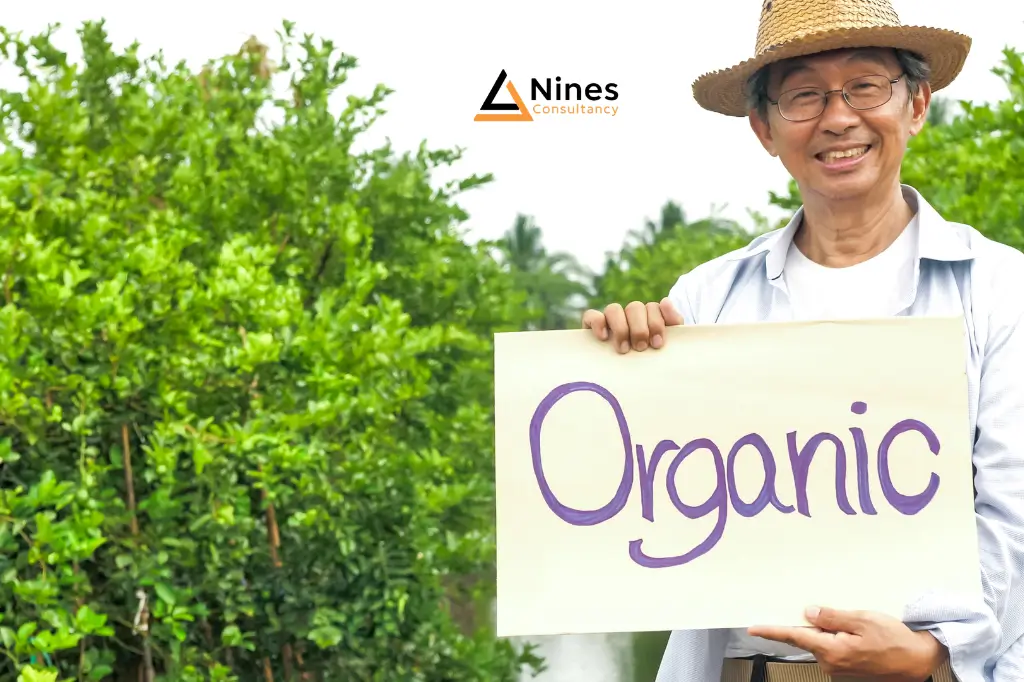
Organic food and organic products are gaining popularity worldwide as consumers become more conscious about health, sustainability, and environmental impact. In the UAE, businesses that want to sell organic food or agricultural products must comply with strict regulations and obtain proper organic certification to prove authenticity.
This article explains everything about organic certification, the organic logo, and how businesses can obtain certification for organic products. If you are a food producer, importer, or distributor in the UAE, understanding these rules will help you comply with regulations, build trust with consumers, and access the growing organic food market.
What Is Organic Certification and Why Is It Important?
Organic certification is a process that verifies whether agricultural products or food items are produced using approved organic methods and comply with strict organic standards. These standards are designed to protect the environment, maintain soil health, and ensure safe food production.
In simple terms, organic certification confirms that a product has been produced without harmful chemicals such as synthetic fertilizers, synthetic pesticides, or GMOs, and follows environmentally responsible practices. These standards are enforced by regulatory authorities and approved certification bodies.
Consumers rely on organic certification to ensure that the organic food products they purchase are genuine. Without proper certification, companies cannot legally represent their products as organic or sell them under an organic label.
How Does the Organic Certification Process Work?
The organic certification process involves several steps designed to ensure compliance with international standards. Businesses involved in organic agriculture, processing, or trading must follow strict guidelines.
First, companies must submit an application describing their organic operation, production system, and supply chain. The certification authority reviews documents and conducts an on-site audit of farms or facilities. Inspectors verify farming practices, input materials, and production methods.
During this certification process, businesses must demonstrate that their products produced comply with requirements for organic production. Once approved, the organization receives an organic certificate allowing them to market their goods as organic produce.
What Are the Organic Standards for Organic Products?
Organic standards define a set of production standards that farmers and food processors must follow to produce organic products. These standards regulate soil management, pest control, and processing practices.
For example, organic farming avoids chemical fertilizers and pesticide use, focusing instead on natural inputs such as compost and biological pest control. This system supports biodiversity and promotes organic and sustainable agriculture.
International programs such as the National Organic Program (NOP) under the USDA establish strict usda organic regulations that define how organic agricultural products must be produced, processed, and labeled.
These standards ensure that organic ingredients are cultivated responsibly and maintain the integrity of the organic value chain.
Who Can Certify Organic Products and Certification Bodies?
To obtain organic certification, producers must work with accredited certification bodies that are approved by regulatory authorities. These organizations perform inspections and verify compliance with the organic regulation.
In many countries, these bodies must receive accreditation before they can issue an organic certificate. For example, certifying agents may be accredited by the USDA, allowing them to certify farms and facilities according to official standards.
These control bodies assess farms, manufacturing plants, and food processors to ensure that operations comply with standards for organic production and follow the approved certification program.
What Is the Organic Logo and Why Do Businesses Use the Organic Logo?
The organic logo is a visual symbol that indicates a product has been certified according to official organic standards. It helps consumers quickly identify certified organic food and organic food products.
Businesses can use the organic logo only after completing the certification of organic products and meeting strict legal requirements. In many cases, the organic seal or logo must appear together with the certification code and authority details.
Using the logo builds consumer confidence because it confirms that the product complies with production and labeling of organic requirements.
What Is the Certification Scheme for Organic Agriculture?
A certification scheme is a structured system used to verify and approve organic agricultural products. It includes regulations, inspection procedures, and approval processes.
Different countries use different certification schemes, such as EU Organic, USDA Organic, and India Organic programs. These schemes are often aligned with international certification frameworks to ensure consistency across markets.
For instance, the European Commission manages the EU organic regulations, which ensure that products marketed in the European Union meet strict environmental and safety requirements.
What Are the Requirements for Organic Certification in UAE?
In the UAE, organic products must comply with federal organic regulation and national standards before being sold in the market. Producers, importers, and distributors must obtain organic certification in UAE through approved authorities.
Companies must demonstrate compliance with local regulations and international standards such as EU Organic or USDA organic products guidelines.
Authorities also require companies to undergo regular audit checks to verify that the organic status of their products remains valid. If products are marketed with an organic logo, a certificate from an accredited body must be provided.
This system ensures transparency in the labeling of organic products and protects consumers from misleading claims.
How Does Organic Certification Support Sustainable Agriculture?
One of the main goals of organic certification is to promote sustainable agriculture. Organic farming systems focus on soil fertility, biodiversity, and environmentally friendly practices.
Instead of chemical inputs, farmers use natural fertilizer, crop rotation, and biological pest control methods. This approach protects ecosystems while improving the quality of organic food and organic produce.
In addition, organic practices encourage better animal welfare by ensuring that livestock are raised in humane conditions and fed natural feed.
What Is the Role of the Process of Organic Production in Certification?
The process of organic production plays a central role in achieving certification. Every stage of production, from farming to packaging, must follow approved standards.
Producers must adhere to organic production rules that control inputs, production methods, and storage practices. The organic production and labeling system ensures that all steps in the supply chain maintain the integrity of the product.
This means businesses must document their operations carefully and maintain traceability across the entire organic value chain.
FAQs
Top Certifications
Let’s Make Things Happen
Start your journey with a trusted partner in company formation, liquidation, ISO certification, and Golden Visa services in the UAE. Our experts guide you every step of the way from business setup to full compliance.
Nines Consultancy handled my entire Freezone company formation with such clarity and efficiency. Their team truly understands the UAE business landscape.
Ahmad Zafar
Entrepreneur & Golden Visa Holder
