

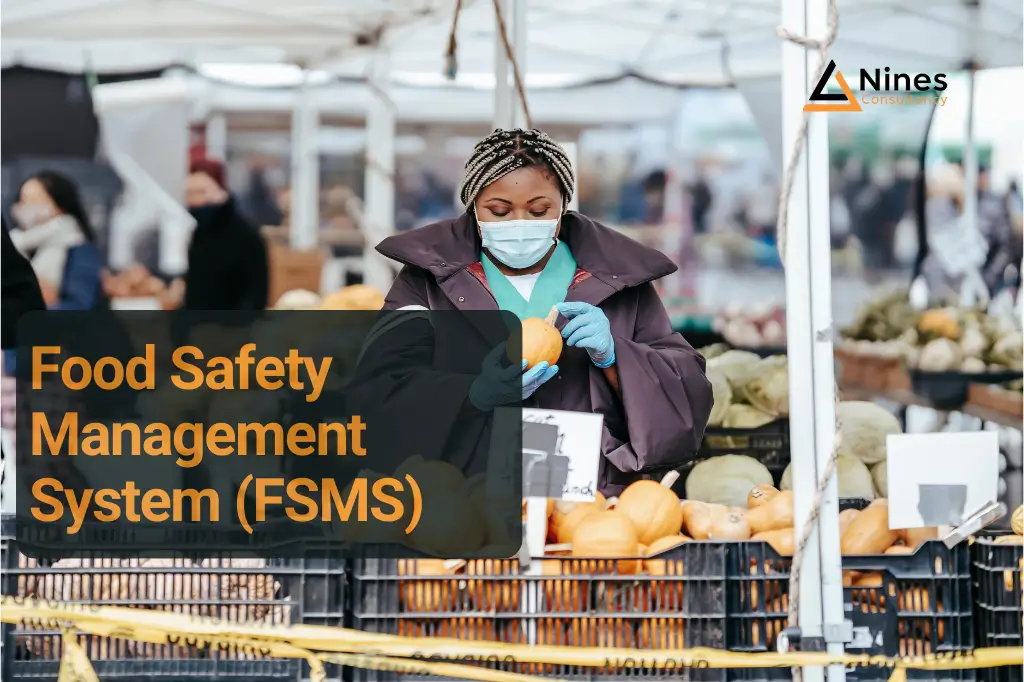
A strong food safety management system is essential for any food business that aims to manage food safety effectively and produce a reliable food product. When an FSMS is supported by ISO 22000 requirements, it becomes an effective food safety management system foundation that protects consumers, improves operations, and strengthens trust. The purpose of a food safety approach built on ISO 22000 food safety management is to ensure food safety, reduce risks, comply with food standards, and help organizations understand why building a strong food safety system is worth implementing.
What is a Food Safety Management System and How Does It Support a Food Business?
A food safety management system is a structured and comprehensive food safety management system designed to manage food safety, control food safety hazards, and ensure that food is safe within the food industry. An FSMS helps food business operators understand the purpose of a food safety system and how to ensure that food meets quality expectations. The management system is a program that outlines how a food business handles, monitors, and improves its processes, and the management system is to ensure that food production remains safe and efficient.
A food safety management system supports a food business by ensuring safe food handling during food production, food service, and distribution. It also helps food business operators strengthen their ability to control food safety hazards and maintain food safety in alignment with food safety regulations. An effective FSMS ensures the safety and quality of food and reinforces reassurance within the global food system.
What Is the Purpose of a Food Safety System in the Food Industry?
The purpose of a food safety system is to protect consumers and ensure food safety across the food supply chain. It includes establishing safety practices to protect customers, improving quality and safety, and reducing the risk of food safety hazards. It helps food business operators develop a consistent approach to manage food safety and ensures that food safety hazards and ensure proper controls are implemented throughout the food production process.
Within the food industry, the purpose of a food safety system is to prevent the consequences of unsafe food and strengthen compliance with food safety regulations. It also enhances the ability of top management and the food safety team to manage food safety risks, reinforce safety practices to protect customers, and maintain a hygienic environment throughout the food chain.
How Does ISO 22000 Support an Effective Food Safety Management System?
ISO 22000 is central to building a strong food safety management system. ISO 22000 provides guidelines for a global standard for food safety and supports organizations in aligning with food safety standards. According to ISO 22000, ISO 22000 food safety management principles help food producers, food manufacturers, and food service operators implement an effective food safety management system and identify and control food safety hazards.
ISO 22000 is recognized as a global standard for food safety management because it outlines requirements for a food safety program, ensures the safety and quality of food, and supports compliance with food safety regulations. Adopting ISO 22000 strengthens an FSMS and improves risk management, creating reassurance within the global food supply.
What Are the Key Elements of a Food Safety Management System?
The elements of a food safety management system include food safety hazard identification, analysis, control food safety hazards, documentation, continuous monitoring, verification, and improvement. These key elements of a food system ensure effective food safety management and that an FSMS helps food businesses meet international standards. Additional elements include a food safety plan, establishing the food safety team, and developing procedures to ensure that food safety objectives are achieved.
By incorporating the key elements of a food, organizations enhance their ability to control food safety and strengthen their comprehensive food safety management system. These elements are crucial to building a strong food safety management system and maintaining control throughout the food production and throughout the food chain.
How Should a Food Business Start Implementing an FSMS?
Implementing an FSMS begins with defining the scope of your FSMS, mapping the food production process, and assessing food safety risks. Implementing an FSMS ensures that food business operators can identify and control food safety hazards, develop preventive measures, and ensure that the system functions effectively.
Next, implementing a food safety plan involves training a food safety team, documenting procedures, and establishing verification processes. These steps support a framework for managing food safety, maintain food quality and safety, and help food business operators comply with food safety regulations. Proper food handling during these processes ensures that food is safe at every stage.
Benefits of Implementing a Food Safety Management System Based on ISO 22000
A food safety management system aligned with ISO 22000 improves effective food safety management, addresses safety concerns, and reduces the risk of food safety hazards. It helps food business operators ensure that food is safe, comply with food safety regulations, and meet food standards. A system based on ISO 22000 also supports the food safety modernization act, strengthens food safety training, and provides reassurance within the global food network.
By adopting ISO 22000, organizations gain recognition for following a global standard for food safety, improve operational efficiency, and increase customer confidence. The standard helps food manufacturers, food producers, and food service providers maintain safe food and achieve quality and safety objectives consistently.
How to Identify and Control Food Safety Hazards Within an FSMS
Identifying food safety hazards is the first step to effective food safety management. This involves inspecting raw materials, assessing equipment, and reviewing waste management procedures. Organizations must identify and control food safety hazards to ensure that food safety is maintained and food is safe at every stage.
Controlling food safety hazards ensures safe food production and strengthens the ability to control food safety. A well-implemented FSMS helps food business operators manage food safety risks, protect consumers, and maintain a hygienic environment throughout the food chain. These practices are vital to building a strong food safety management system and delivering safe food reliably.
Role of Top Management in a Strong Food Safety Management System
Top management is responsible for providing resources, leadership, and strategic direction in a comprehensive food safety management system. They ensure compliance with food safety regulations, oversee the food safety team, and maintain food safety standards across the food supply chain.
Strong involvement of top management ensures effective FSMS implementation, addresses food safety issues, and strengthens quality and safety practices. A committed leadership team is crucial for building a strong food safety culture and achieving consistent food safety training outcomes.
How ISO 22000 Compares to ISO 9001 and Other Standards
ISO 22000 aligns with ISO 9001, which focuses on quality, but emphasizes food safety management. While ISO 9001 enhances operational efficiency, ISO 22000 food safety management ensures food is safe, complies with food safety regulations, and meets global food safety initiative expectations. Both standards support food quality and safety and improve system management across the organization.
Adopting ISO 22000 enables food manufacturers, food producers, and food service providers to implement a standard for food safety management that ensures effective food safety management system outcomes and reduces risk of food safety hazards.
Creating a Food Safety Management System That Ensures Food Is Safe Throughout the Food Chain
To create a food safety management system, businesses must evaluate hazards throughout the food production, establish control measures, and document all procedures. A strong FSMS ensures food is safe throughout the food chain, maintains food quality and safety, and meets requirements for a food safety program.
By combining ISO 22000 food safety management principles with a comprehensive food safety management system, organizations can help food businesses ensure food safety. This approach provides reassurance within the global food supply, strengthens strong food safety, and promotes continuous improvement within the global food supply.