
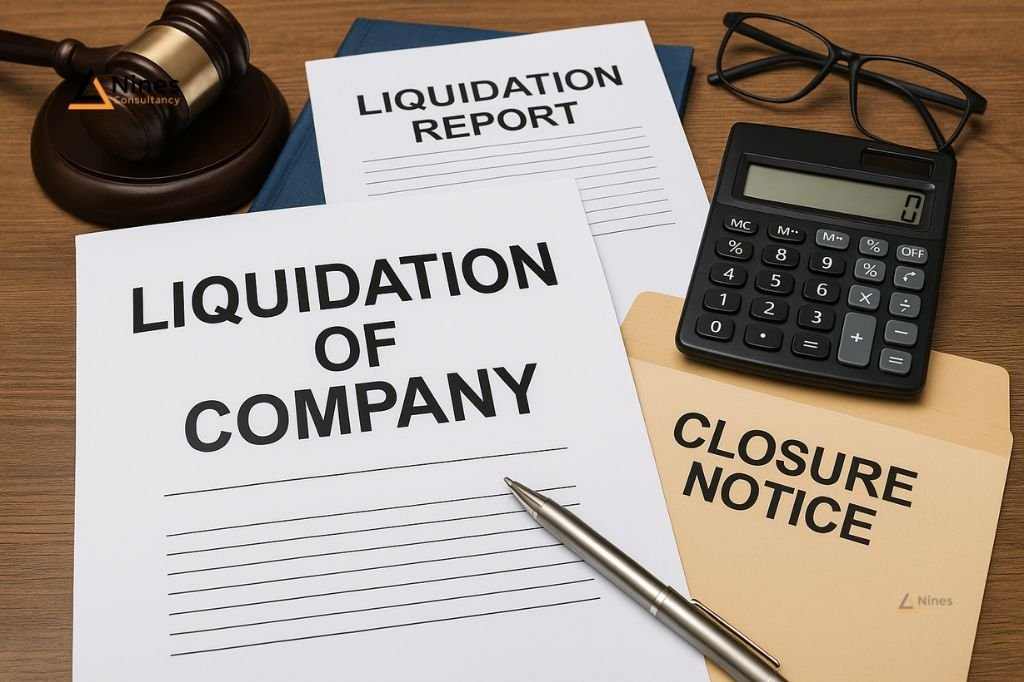
Closing a business in the United Arab Emirates is not just about stopping operations. It is a regulated legal procedure that ensures your company exits the market in a compliant, transparent, and debt free manner. Whether you are shutting down due to restructuring, market changes, partner exit, or simply shifting to a new venture, completing the liquidation process in UAE properly is essential to avoid fines, penalties, and future legal complications.
Many business owners think liquidation is complicated, especially with different authorities like the Department of Economic Development (DED), Ministry of Human Resources and Emiratisation (MOHRE), Federal Tax Authority (FTA), and various free zones involved. The good news is that with the right guidance and proper planning, the liquidation process becomes smooth, predictable, and stress free.
In this detailed guide, we will walk you through everything you need to know about company liquidation in UAE, including Mainland, Free Zone, and Offshore structures. You will learn how liquidation works, the exact steps required, the documents you need, how long it takes, common challenges business owners face, and how Nines Consultancy can manage the full process for you from start to finish.
If you are currently planning to liquidate your company in Dubai, Abu Dhabi, Sharjah, Ajman, or any other Emirate, this guide will give you absolute clarity on what to expect and how to proceed.
What Is Company Liquidation in UAE?
Liquidation means officially dissolving a company so it stops all operations and clears all financial, legal, and tax obligations before closing. In simple terms, it is the process of shutting down a business and removing its trade license from government records.
Liquidation includes:
- Cancelling your trade license
- Settling visas and labour cards
- Closing corporate bank accounts
- Cancelling your tenancy and utility bills
- Clearing FTA (VAT) obligations
- Issuing a final audit or liquidation report
- Deregistering the company from all government systems
Once the liquidation is completed, your company is officially closed and has no pending responsibilities.
Why Liquidation Matters in the UAE Context
The UAE is one of the most regulated and compliance focused business environments in the region. Authorities ensure every business follows proper closure procedures to maintain transparency and avoid financial or legal disputes.
Key authorities involved include:
- DED (Dubai Mainland) or other Emirate economic departments
- Free Zone Authority (IFZA, SPC, SHAMS, JAFZA, DMCC, RAKEZ, etc.)
- MOHRE (Labour Department)
- GDRFA / ICP (Immigration)
- FTA (Federal Tax Authority) for VAT deregistration
- Banks and utility providers
- Municipality & service providers
If liquidation is not completed properly, owners may face:
- Penalties for inactive trade licenses
- Blacklisting by immigration
- VAT fines
- Legal disputes with partners or creditors
- Immigration bans in severe cases
This is why completing the liquidation process in UAE correctly is crucial.
UAE Company Liquidation General Guide
We will cover all three major categories:
- Mainland Company Liquidation
- Free Zone Company Liquidation
- Offshore Company Liquidation
1. Mainland Company Liquidation in UAE
Mainland liquidation procedures involve coordination with multiple authorities, including DED, MOHRE, FTA, Dubai Courts (for LLC), banks, utilities, and more.
Below is the general mainland process, followed by the differences for LLC, Sole Establishment, and Civil Company.
General Mainland Liquidation Process
Step 1: Board Resolution or Owner’s Decision
The partners or owner must pass a formal resolution confirming closure.
Step 2: Apply for Initial Approval for Liquidation
Submit the resolution to DED (or the concerned Emirate’s Economic Department) to start the process.
Step 3: Appoint a Liquidator
For LLCs and some Civil Companies, appointing a licensed liquidator is mandatory. The liquidator issues a formal appointment letter.
Step 4: Liquidation Report
The liquidator prepares a liquidation report after reviewing your accounts, assets, liabilities, and company documents.
Step 5: Newspaper Advertisement
A 30 to 45-day newspaper ad period is required so creditors can raise objections.
Step 6: Clear Labour and Immigration Records
- Cancel all employee visas
- Cancel establishment card
- Update MOHRE and GDRFA records
Step 7: Settle FTA VAT Deregistration
- Submit VAT deregistration request
- Clear outstanding returns or penalties
- Final VAT audit if required
Step 8: Cancel Utilities, Tenancy & Bank Accounts
Clear all pending bills, close accounts, and obtain NOCs.
Step 9: Final License Cancellation
Submit all documents to DED and receive the official Company Deregistration Certificate.
Mainland Company Liquidation Types
A. LLC Liquidation in UAE
LLCs require the most documentation and a mandatory liquidator.
Key Points:
- Mandatory liquidation report
- Mandatory newspaper advertisement
- Partner resolution required
- Bank account closure proof required
- VAT deregistration for taxable companies
- Labour & immigration clearance
When is liquidator mandatory?
Always for LLC liquidation in Mainland unless authorities provide an exemption.
B. Sole Establishment Liquidation in UAE
Sole establishments (owned by one individual) have the simplest liquidation process.
Key Points:
- No liquidation report required
- No newspaper advertisement required
- Only DED cancellation + visa clearances
- Faster process (often within days)
Main Steps:
- Cancel investor visa if applicable
- Clear MOHRE records
- Cancel trade license
- Settle utilities and bills
C. Civil Company Liquidation in UAE
Civil companies operate under professional licenses (doctors, engineers, consultants, etc.).
Key Points:
- Liquidator may be required depending on the structure
- If partners exist, a partner resolution is mandatory
- Service provider-related approvals might be needed
- VAT deregistration if applicable
- Employee visa cancellation
2. Free Zone Company Liquidation in UAE
Every free zone has its own procedure, but the overall process is similar.
General Steps:
- Board resolution
- Free zone clearance (rent, utilities, visas)
- NOCs from authorities inside the free zone
- Bank account closure
- Immigration & labour clearance
- VAT deregistration
- Return of establishment card
- Final cancellation from free zone authority
Differences from Mainland:
- No newspaper advertisement
- No mandatory liquidator (most free zones)
- Faster timeline
- Internal clearances required inside the free zone
Popular Free Zones Covered:
- IFZA
- SHAMS
- SPC Free Zone
- DMCC
- JAFZA
- RAKEZ
- Ajman Free Zone
- Fujairah Creative City
3. Offshore Company Liquidation in UAE
Offshore entities such as RAK ICC or JAFZA Offshore also require formal deregistration.
Basic Steps:
- Board resolution
- Settlement of liabilities
- Liquidator appointment (optional in some cases)
- Bank account closure
- Submission of financial statements
- Deregistration certificate issuance
Unique Requirements:
- No visas involved
- No labour or immigration procedures
- Limited steps compared to mainland/free zone
Documents Required for Liquidation in UAE
Documents may vary, but commonly required items include:
- Trade license copy
- Memorandum of Association (MOA)
- Passport copies of shareholders
- Emirates ID of shareholders
- Power of attorney (if any)
- Establishment card
- VAT certificate
- Final audit or liquidation report
- Bank account closure letter
- Tenancy contract and clearance
- Utility clearance
Liquidation Timeline in UAE
Timelines vary depending on business type:
- Sole Establishment: 3 to 7 days
- Civil Company: 7 to 15 days
- LLC: 45 to 60 days
- Free Zone: 10 to 25 days
- Offshore: 10 to 20 days
These timelines depend on clearances and document submission speed.
Liquidation Cost in UAE
The exact fees depend on the company type, size, and government requirements. Costs may include:
- DED cancellation fees
- Liquidator fees
- PRO service fees
- Immigration and labour clearances
- Newspaper advertisement costs
- VAT deregistration penalties (if any)
For exact and updated charges please ping us at WhatsApp
Why Choose Nines Consultancy for Company Liquidation in UAE
When you are liquidating a company, you need accuracy, speed, and full compliance. At Nines Consultancy, we manage the entire liquidation process from start to finish so you don’t have to deal with paperwork, queues, or technical requirements.
What You Get with Us:
- Complete liquidation management
- Liaison with DED, FTA, MOHRE, free zones, and courts
- Preparation of resolutions and required documents
- Liquidator coordination
- VAT deregistration support
- Visa and labour clearance
- Bank & utility closure support
- Transparent and compliant process
Talk to Us on WhatsApp
Click to chat directly with our team
Or call us at +971 52 975 7543
FAQs Company Liquidation in UAE
1. How long does the liquidation process take in UAE?
Timelines range from a few days (sole establishment) to 45–60 days (LLC) due to ads, clearances, and documentation.
2. Do I need a liquidation report in UAE?
LLCs and some civil companies require a liquidation report issued by a licensed liquidator. Sole establishments do not.
3. What happens if I do not liquidate my company?
You may face penalties, fines, immigration blocks, and legal issues. Your trade license will accumulate charges.
4. Can I liquidate my free zone company remotely?
Yes. Most free zones allow remote or POA based liquidation without the shareholder being present.
5. What about VAT deregistration during liquidation?
VAT deregistration is mandatory if your company was VAT registered. FTA may review your filings during the process.
Close Your Company Smoothly and Legally
Liquidating a company in UAE does not need to be stressful. Whether you operate in Mainland, Free Zone, or Offshore jurisdictions, completing the process correctly saves you from penalties, legal disputes, or future complications.
Nines Consultancy handles the entire liquidation process for you with complete transparency and compliance. If you are planning to close your company or need expert advice, reach out today.
Chat with Our Experts on WhatsApp
Or call us at +971 52 975 7543