
How to Get ISO Certification in UAE? Complete Guide to ISO Certification in Dubai and Quality Management

ISO Certification in UAE
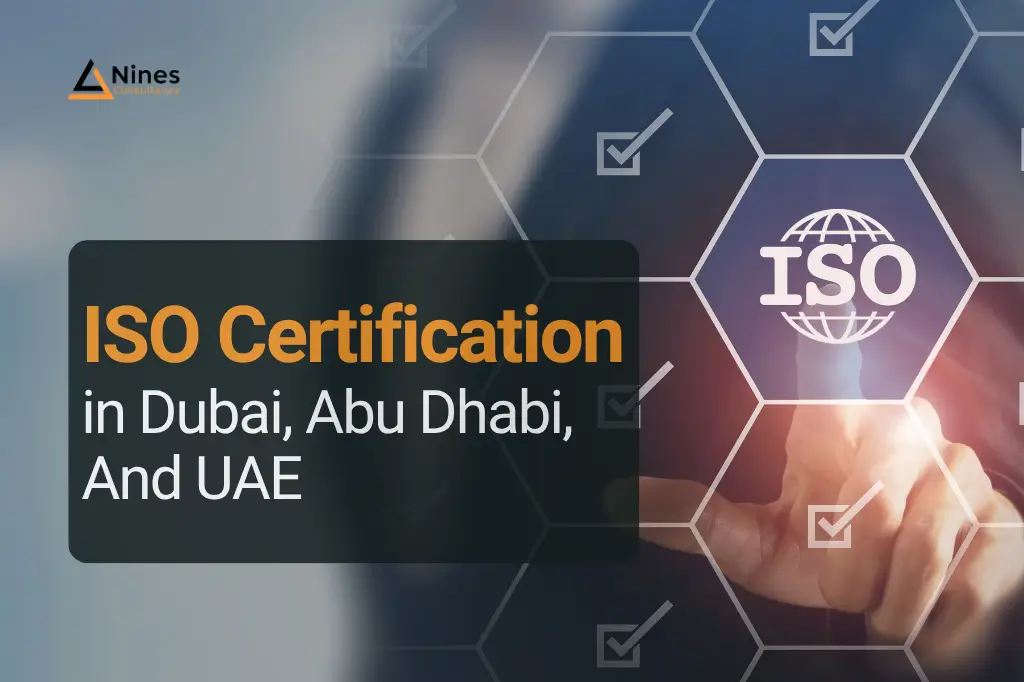
In today’s competitive world, ISO certification has become a vital asset for businesses across the globe, especially in the UAE. With a growing number of organizations seeking ISO certification in Dubai and across the UAE, it’s essential to understand how this accreditation works and how it can benefit your business. If you’re considering ISO certification or want to learn more about the certification process, this guide will help you navigate through everything from ISO 9001 to ISO 14001 certification and beyond.
In this article, we will cover the importance of ISO certification for businesses in the UAE, the certification process, and the different ISO standards you can obtain. We’ll also answer common questions, explore the benefits of ISO certification, and provide insights on how to get ISO certified in Dubai and other cities across the UAE.
What is ISO Certification?
ISO certification is an internationally recognized standard that ensures that organizations follow best practices in their operations. The International Organization for Standardization (ISO) sets out these standards, which are designed to improve the overall quality and efficiency of businesses. ISO certification is essential for organizations looking to enhance their credibility and streamline their processes.
Businesses in the UAE, especially those operating in highly competitive industries like manufacturing, hospitality, and healthcare, can benefit significantly from ISO certification services. In the UAE, there are various ISO standards such as ISO 9001, ISO 14001, and ISO 27001, each targeting different aspects of business management, including quality, environmental impact, and information security.
Why is ISO Certification Important for Businesses in the UAE?
ISO certification in the UAE helps businesses differentiate themselves in a competitive market. The UAE is home to a diverse business landscape, with both multinational companies and local enterprises striving to stand out through ISO implementation. By obtaining an ISO certificate, businesses gain a distinct advantage in securing partnerships, customers, and government contracts.
Moreover, ISO certification signals a company’s commitment to quality and continuous improvement. The UAE is a global business hub, attracting international clients who expect high standards. By achieving ISO certification in Dubai, Abu Dhabi, or other regions in the UAE, businesses can increase their trustworthiness and demonstrate compliance with international standards.
How to Get ISO Certification in the UAE?
The process to get ISO certification involves several steps, including identifying the relevant standard, implementing the necessary management systems, and passing an ISO certification audit. First, businesses need to identify which ISO standard aligns with their operations, such as ISO 9001 for quality management or ISO 14001 for environmental management.
Next, a business must implement the required quality management system (QMS) or other management systems, ensuring that operations comply with ISO guidelines. The final step is to undergo an ISO certification audit performed by an accredited certification body.
Once the audit is successful, the business will receive its ISO certificate in UAE, which confirms compliance with the relevant standard. Organizations can then use this certification to market their commitment to quality, safety, and efficiency.
What Are the Different Types of ISO Certifications in UAE?
The UAE offers a range of ISO certification services to businesses, depending on their needs and industry. Here are some of the most popular ISO certifications in the UAE:
- ISO 9001 Certification: Focuses on quality management systems (QMS), ensuring that businesses consistently meet customer expectations.
- ISO 14001 Certification: A standard for environmental management systems, helping businesses minimize their environmental impact.
- ISO 27001 Certification: A certification for information security management, protecting businesses from data breaches.
- ISO 22000 Certification: Relevant for food safety management systems, ensuring that businesses meet global food safety standards.
- ISO 45001 Certification: Focuses on occupational health and safety, reducing workplace risks and enhancing employee safety.
Each ISO certification has its own set of requirements and implementation procedures, so businesses must determine which certification best fits their operations.
The Role of ISO Certification in Quality Management
ISO certification in the UAE plays a significant role in quality management. By achieving ISO 9001 certification, businesses ensure that their products and services consistently meet customer requirements and improve over time. A quality management system helps organizations standardize their processes, reduce waste, and increase efficiency, all of which contribute to a more effective and profitable business.
For companies in sectors such as construction, healthcare, and manufacturing, ISO 9001 certification is particularly important. It not only enhances the quality of their offerings but also builds confidence with customers, suppliers, and stakeholders.
Understanding ISO 9001: The Global Standard for Quality Management

ISO 9001 Certification in UAE
ISO 9001 is the most widely recognized ISO standard and is essential for businesses committed to delivering high-quality products and services. Achieving ISO 9001 certification demonstrates a company’s dedication to quality management and continuous improvement.
The standard provides a framework for implementing a quality management system (QMS) that can be tailored to any business, regardless of its size or industry. Organizations in the UAE, from Abu Dhabi to Dubai, can leverage ISO 9001 to enhance customer satisfaction, reduce operational costs, and streamline processes.
ISO 14001 Certification for Environmental Management
ISO 14001 focuses on environmental management and helps businesses reduce their environmental impact. ISO 14001 certification ensures that companies comply with environmental regulations, manage their resources efficiently, and minimize waste. This certification is essential for businesses in the UAE that are looking to adopt sustainable practices.
By obtaining ISO 14001 certification in Dubai or Abu Dhabi, companies not only improve their environmental footprint but also increase their appeal to eco-conscious consumers and businesses. This can result in more sustainable operations and better relationships with regulatory bodies.
ISO 27001: Protecting Your Business with Information Security Management
In today’s digital age, information security is a top priority for businesses. ISO 27001 is a leading standard for information security management systems (ISMS). It helps organizations protect their sensitive data from cyber threats and data breaches.
By obtaining ISO 27001 certification in the UAE, companies demonstrate their commitment to safeguarding customer and business information. This is particularly important for businesses in sectors such as banking, finance, and healthcare, where data protection is critical.
How to Choose the Best ISO Certification Consultant in UAE?
When seeking ISO certification in the UAE, it is often beneficial to work with an experienced ISO certification consultant. A consultant can help streamline the certification process, ensuring that businesses comply with the relevant ISO standards and pass the ISO certification audit.
When choosing an ISO certification consultant, businesses should look for an expert with a strong track record of success, knowledge of local regulations, and experience in the relevant industry. Consulting firms can also assist with ISO training for employees, making the entire process smoother and more efficient.
What Are the Costs of ISO Certification in UAE?
The cost of ISO certification in the UAE varies depending on the standard, the size of the organization, and the complexity of the implementation process. Businesses should expect to pay for ISO certification services, including audits, training, and consultancy fees.
While the upfront costs of certification can be substantial, the long-term benefits often outweigh the initial investment. Organizations can reduce operational costs, enhance customer satisfaction, and increase marketability with ISO certification.